Vacuula resurrects abandoned Neato robots
Last October, Neato announced that it was phasing out the cloud service its robot vacuums depended on—three years earlier than the company had originally promised. As a result, thousands of owners lost access to the features they bought their vacuums for in the first place, such as app control, cleaning schedules, remote starts and no-go zones.
Owners were not thrilled. One wrote that, after the shutoff, “it is quicker to just use a stick vacuum.” Another put the lesson more bluntly: “you do not own it — you are merely renting it.”
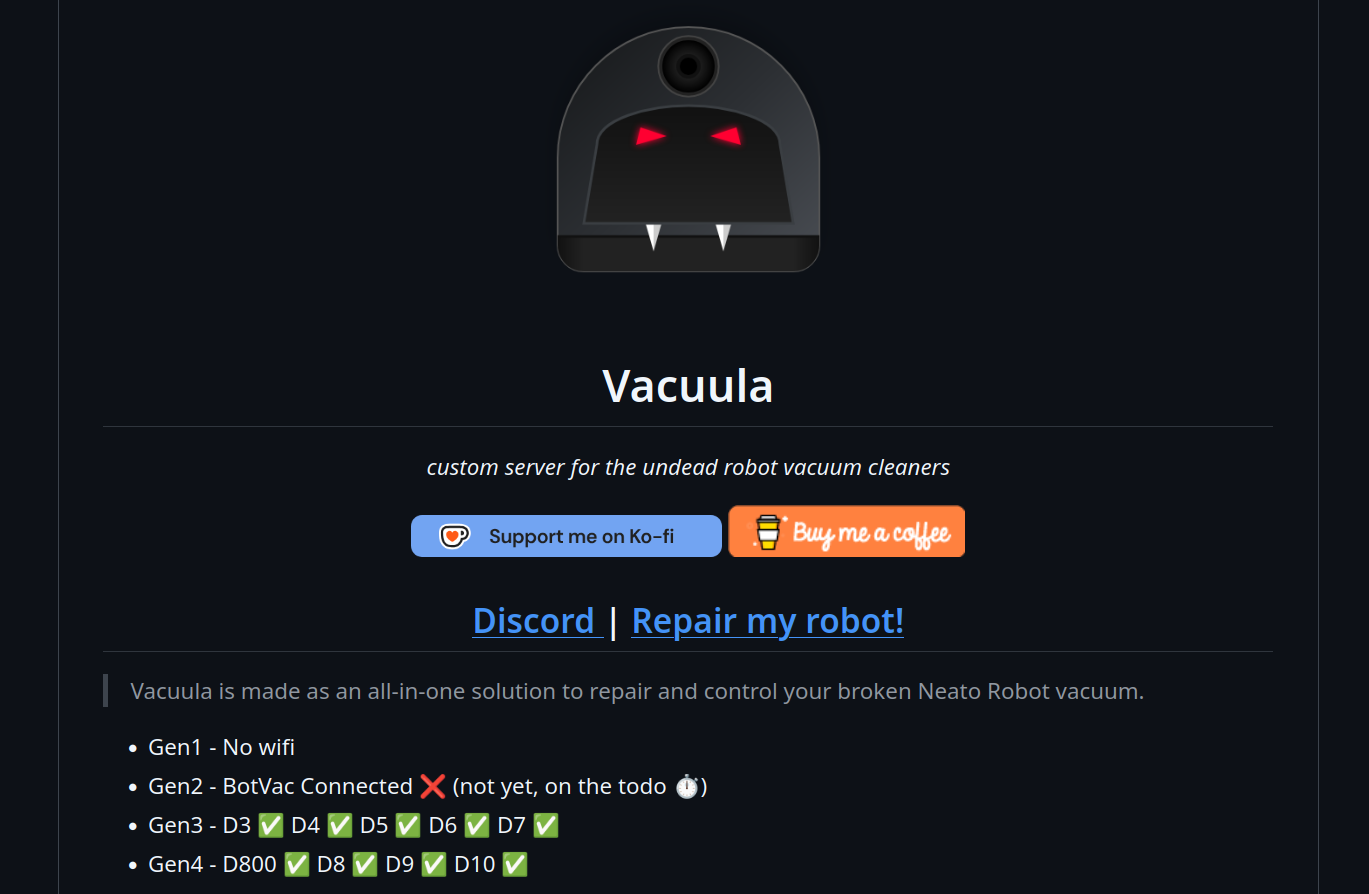
A year later, an open-source project called Vacuula, spearheaded by Philip Magyar and Jairo da Silva Dias, has brought those robots back from the dead.
Device owners, not manufacturers, should make the final call on how long their tech lasts. For their work to give Neato owners control of their robots, we’re pleased to announce the Vacuula team as latest winners of FULU Right to Own medals.
A promise, then a shutoff
Vorwerk acquired Neato robotics in 2017. When the parent company finally closed Neato in 2023, it took over the services for all of its already sold robot vacuums. That set in motion a familiar pattern of events.
First, Vorwerk made a promise. The company said it would continue to provide spare parts, repair service, and cloud support for five additional years. This commitment to keep Neato owners’ vacuums online until 2028 would have been an example of a company doing right by its customers—if Vorwerk had followed through.
In October 2025, however, the company shut off the servers and rejected owners' call to open-source the code. After consumers complained, and Italy’s competition authority opened an investigation, stating that shutting down the software of a device still in working order may be a misleading and aggressive practice because it "radically changes the nature, features and value of the product." That lead Vorwerk to offer to replace any vacuums that were purchased after their 2023 promise.
Owners who bought their devices earlier, lived outside of Europe, or simply didn’t want to add to the ever-growing mountain of electronic waste were not so lucky.
Vacuula saves the day
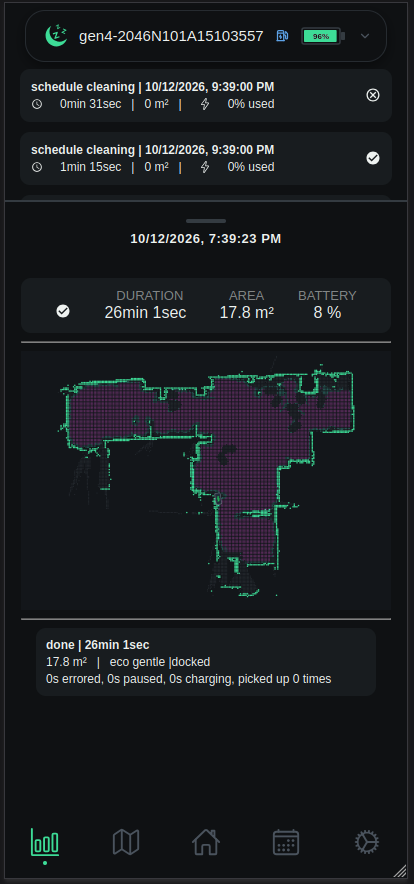
That’s where the Vacuula team stepped in. "When support ends, ownership shouldn't," Dias wrote when the project launched. The team cracked the devices’ firmware, bypassing the digital locks making preventing the installation of new software, and a created a full re-implementation of the server needed to allow them to be controlled and managed remotely.
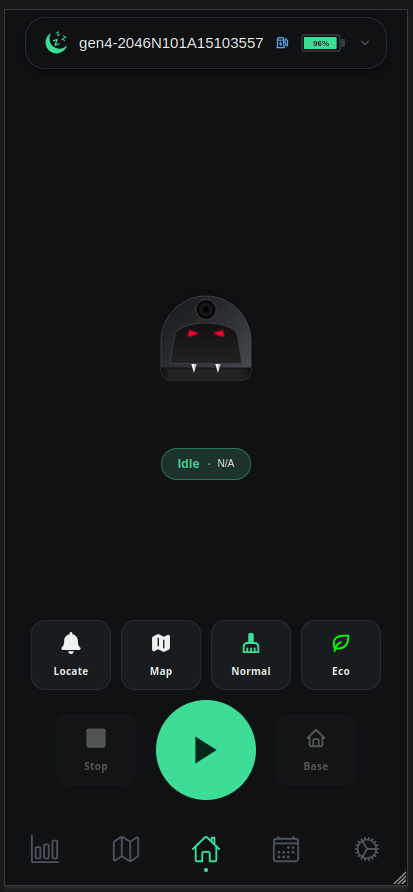
Vacuula supports all 3rd and 4th generation Neato vacuums, with 2nd generation support in the works. Running it currently takes some technical effort, since each owner needs an always-on device to host the server. But the team has put a lot off effort into making this process as approachable as possible. Their work allows Neato owners to continue using their devices without needing to rely on any company’s continued software support.
It shouldn’t come to this
While Vorwerk came up short on its initial promises, it does deserve credit for the way it has engaged with Magyar and the Vacuula team. The company will direct owners of the affected Neato models to the Vacuula project to enable their old devices to be re-activated.
But it shouldn't have to come to this. A developer who wants to reactivate abandoned devices should not have to navigate the legal minefield of Sec. 1201 and its international equivalents, or have to worry themselves over negotiating with the company that broke their product in the first place.
Even now, the Vacuula team is not allowed to publicly share the exploit method used to fix Neato robots stuck in a "rainbowing" state, where a robot flashes different colors and won't start. They are instead sharing it privately with affected users in a 1-on-1 setting to avoid legal issues.
Neato owners have a fix because a small team did the work and a company agreed to cooperate. The next group of owners shouldn't need to count on either—having bought the device, you should have an intrinsic right to modify it as you see fit, and share the information required for others to do the same.
Check out the Vacuula project and send Philip, Jairo, and the full Vacuula team (Taxilof, Leander, jk, Sarcast, Alex, and everyone else who's contributed) your appreciation on the Vacuula Discord. They deserve it.